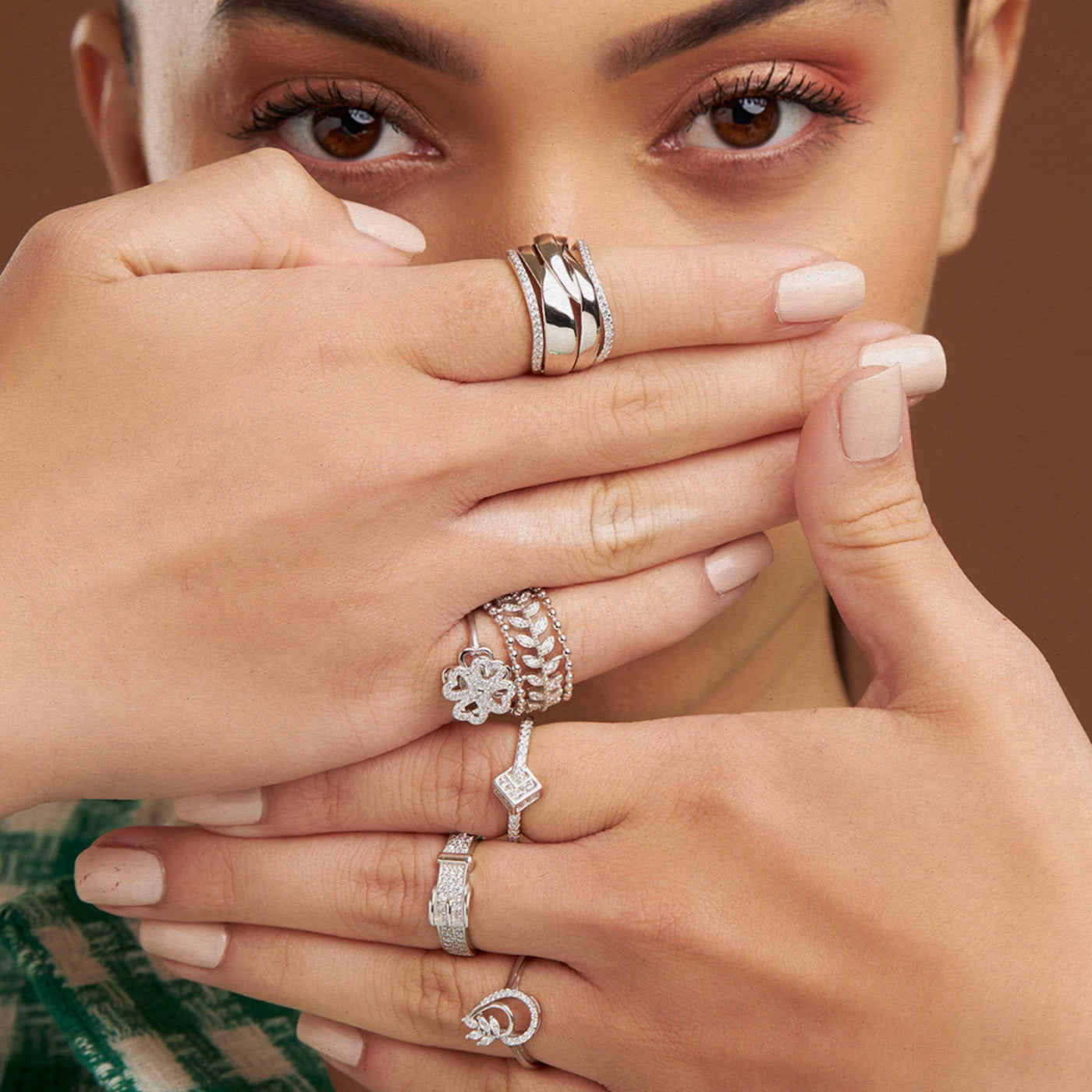
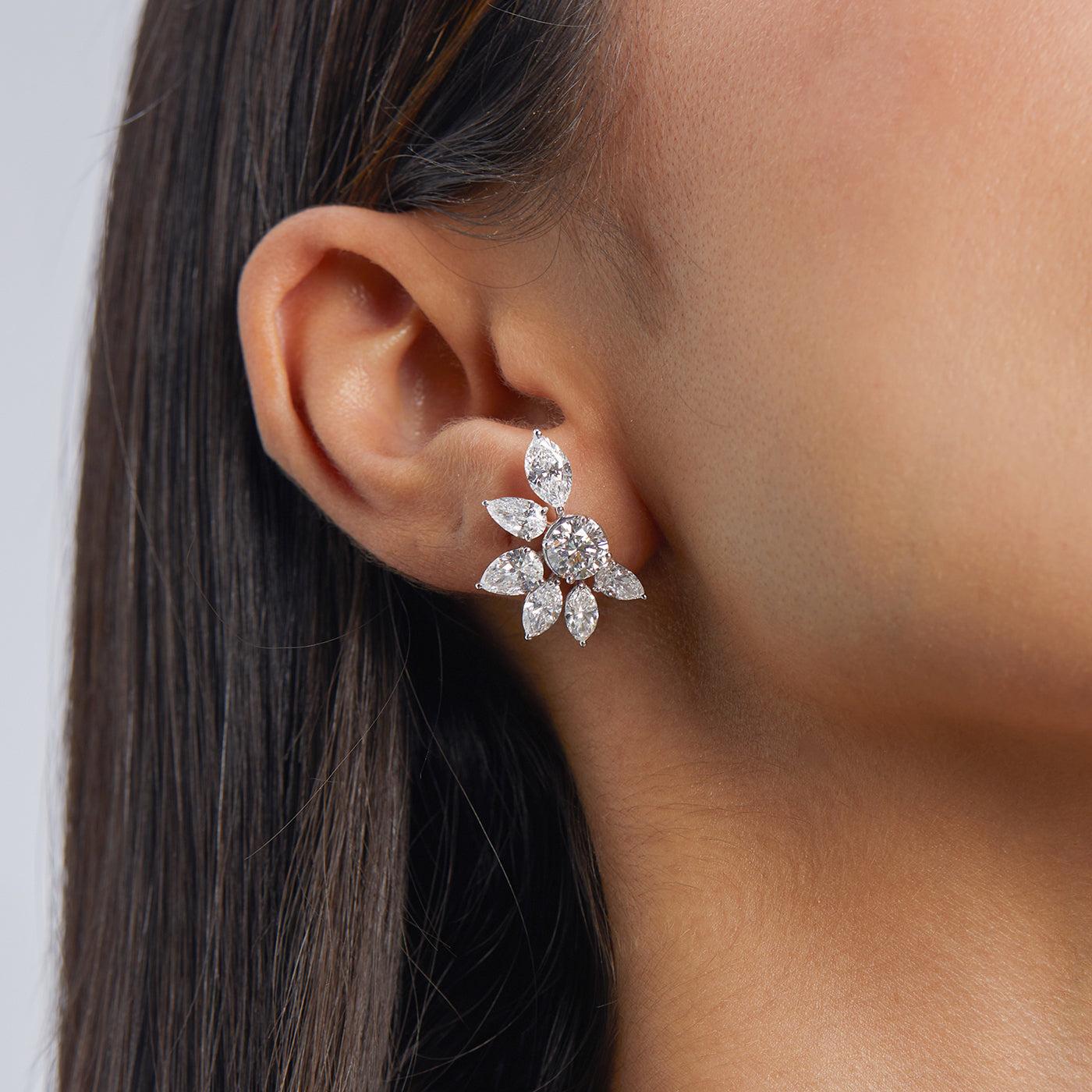
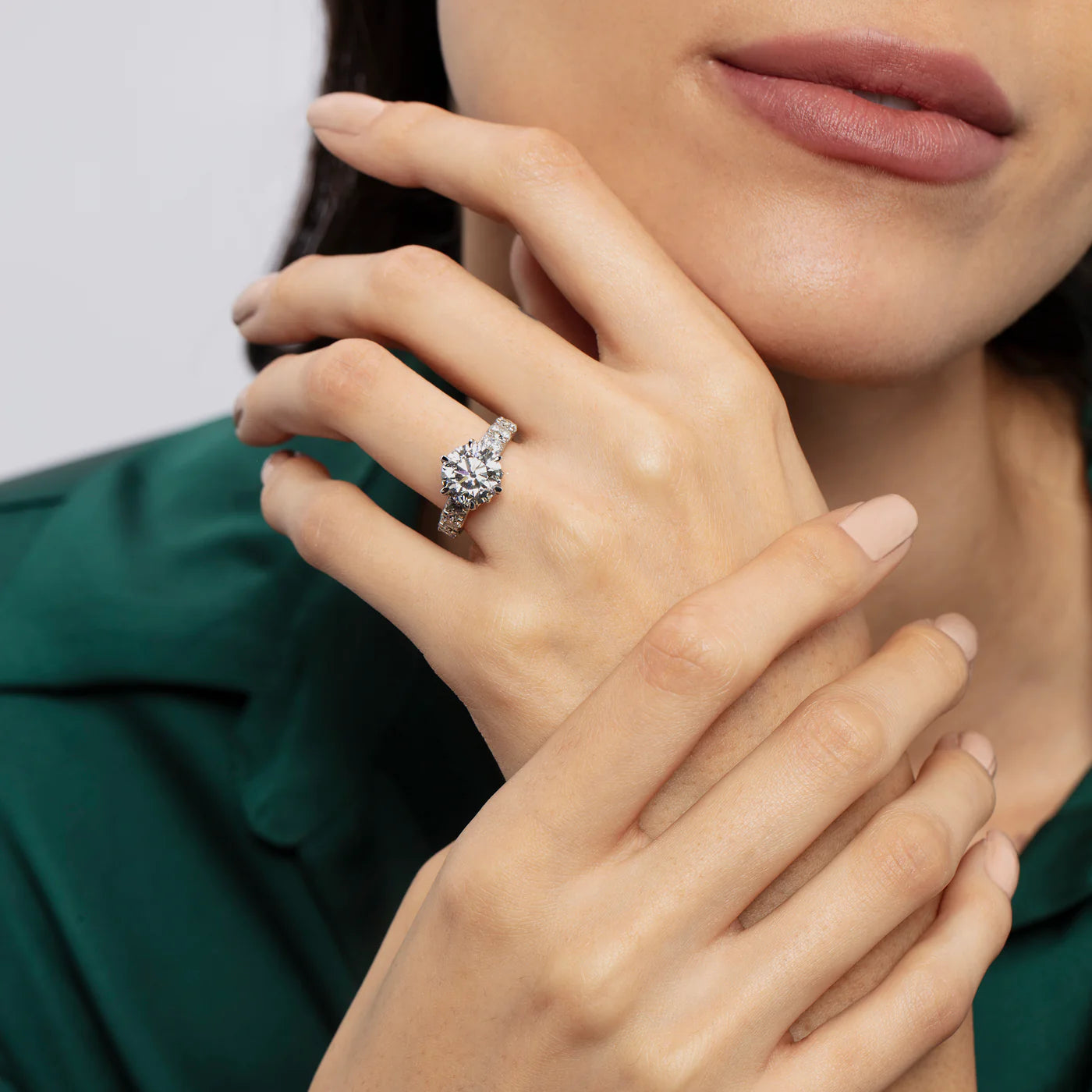
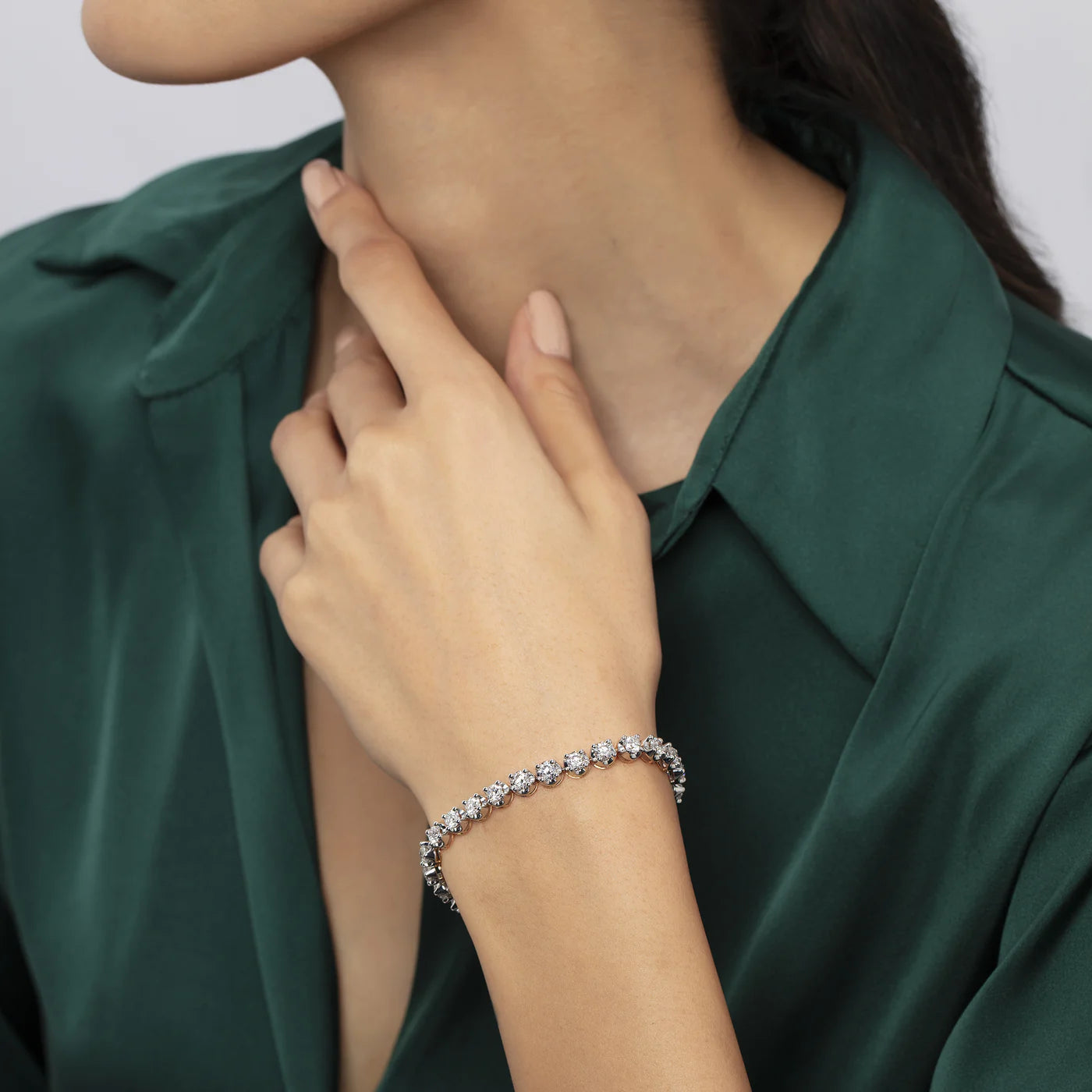

Everyone has a number in their head. The moment someone says "solitaire ring", the brain does a quick, slightly panicked calculation. Two lakhs? Five? More? That number is almost always wrong. Not a little wrong. Dramatically, outdated-by-several-years wrong.
The lab grown diamond solitaire price India has shifted so significantly that most people are still shopping with 2019 assumptions in a 2026 market. And that gap between perception and reality? It is costing people. Not because they overspend, but because they never buy at all. They talk themselves out of a ring they could genuinely afford.
Let us fix that.

The Numbers Nobody Talks About Clearly
Here is the straightforward answer to the question everyone Googles but few articles answer directly: how much does a 1 carat lab grown diamond solitaire ring cost in India 2026?
For an IGI-certified stone with good colour and clarity, set in 18K gold, you are realistically looking at ₹50,000 to ₹90,000. That is the complete ring. Diamond, setting, gold, making charges, GST. Done.
Compare that to a mined diamond solitaire of the same grade, where the starting point is typically ₹1.5 lakh and climbs fast. The stone is chemically identical. The sparkle is the same. The certification is the same. The price is not.
And if a full carat feels like more than you need right now, a 0.5 carat lab grown solitaire lands between ₹35,000 and ₹50,000. That is a real diamond ring. On your hand. For less than most people spend on a phone upgrade.
What Actually Goes Into the Price Tag
The sticker on a solitaire ring is not just the diamond. And honestly, this is where most pricing conversations fall apart. People compare diamond costs across brands and wonder why the final ring price varies by tens of thousands. Here is the breakdown.
The diamond itself is the biggest factor. Carat weight matters most, followed by cut quality. A well-cut 0.8 carat stone will outshine a poorly cut 1.2 carat one every single time. Colour and clarity affect price too, but here is a secret the industry does not broadcast: the difference between a D-colour and an F-colour diamond is invisible to the naked eye when it is on your finger. The difference in price is very much visible.
The gold setting adds anywhere from ₹5,000 to ₹25,000 depending on whether you choose 14K or 18K, and current gold rates. 14K is more durable and slightly more affordable. 18K has a richer colour and remains the more popular choice for solitaire rings in India.
Making charges typically run 8 to 20 percent of the gold value. A clean, classic solitaire setting will cost less to make than something with a halo or intricate band work. If a jeweller cannot tell you the exact making charge percentage before you buy, that is a red flag worth paying attention to.
Is a Lab-Grown Diamond Solitaire Worth Buying in India?
Yes. A lab grown diamond solitaire offers the same optical, chemical, and physical properties as a mined diamond at 40 to 70 percent less cost. It is IGI certified, conflict-free, and allows Indian buyers to access significantly larger or higher-quality stones within realistic budgets. For anyone who wants a real diamond ring without the inflated price tag that traditional supply chains add, lab-grown is the most practical choice in 2026.
That said, "worth it" depends on what you value. If resale is your primary concern, know that lab grown diamonds have lower resale value than mined ones. But most people do not buy a solitaire ring to sell it. They buy it to wear it, to mark a moment, to feel something every time they look at their hand. On that front, the value proposition is not even close.
Curious what is out there? Browse the Lab-Grown Diamond Ring Collection and see what your budget can actually get you. You might surprise yourself.

Three Things to Check Before You Spend a Rupee
The lab-grown diamond market in India is growing fast. That is mostly good news. More competition, better prices, wider range. But it also means the space has its share of sellers cutting corners. Here is what to look for.
- Insist on IGI certification. An uncertified diamond is a gamble you do not need to take.
- Get the making charges in writing. Transparent jewellers state this upfront.
- Compare the complete ring price. Not just the loose diamond price.
The Shape of the Deal (Literally)
One more thing worth knowing: the shape of your diamond affects the price more than you would expect. Round brilliants are the most popular cut, but they are also the most expensive because they waste the most rough diamond during cutting.
Oval cuts, which are quickly becoming the most requested shape among Indian buyers, cost about 12 to 15 percent less than rounds of the same carat weight. And they appear larger on the finger. If you want maximum visual impact for your budget, ovals are doing something special right now.
Cushion and emerald cuts offer their own appeal at slightly lower price points too. The "best" shape is whichever one makes you stop and stare. But if price per wow-factor is your metric, the round brilliant is no longer the automatic winner.
See the full range of shapes and settings in the lab-grown diamond ring collection .

The solitaire ring has always carried a certain weight. A promise, a milestone, a private declaration. For too long in India, that weight came with a price tag that made most people hesitate at the door.
That door is wider now. The rings are real. The diamonds are real. The only thing that has changed is the story about what they should cost. And in 2026, that story finally makes sense.